Open Concept Living Room Layout for Spacious Homes
 Open Concept Living Room Layout for Spacious Homes
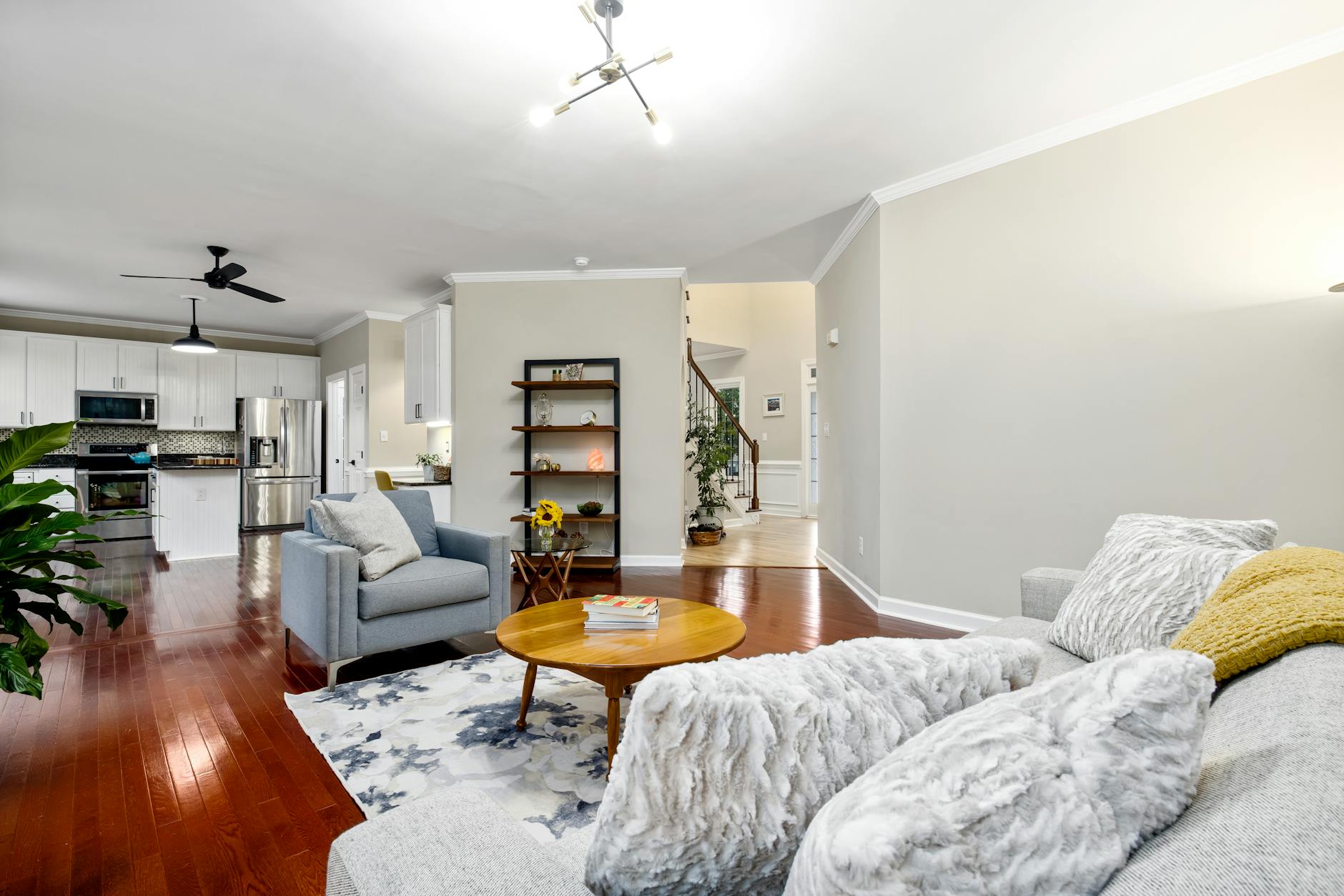
 Open Concept Living Room Layout for Spacious Homes - Open concept living rooms have become increasingly popular in modern home design. Many homeowners prefer open layouts because they improve movement and communication between spaces. Combining the living room with dining and kitchen areas creates a larger visual environment. Natural light can also travel more freely throughout the home. Open spaces often feel modern, comfortable, and welcoming.
Furniture arrangement is especially important in open concept interiors. Sofas and rugs are often used to define the living room area without physical walls. Large sectional sofas can create natural boundaries between spaces. Coffee tables and lighting fixtures help organize the layout visually. Thoughtful furniture placement improves both functionality and aesthetics.
Maintaining Visual Balance
Consistent color palettes help open concept homes feel connected and harmonious. Neutral wall colors are commonly used to create continuity between areas. Accent colors can still be introduced through decorative accessories and furniture. Repeating similar materials across spaces also strengthens visual unity. Balanced design prevents the layout from feeling chaotic.
Lighting should support every section of the open layout effectively. Pendant lights can define dining areas while floor lamps enhance the living room atmosphere. Natural sunlight is especially valuable in open homes because it brightens larger spaces. Layered lighting solutions improve flexibility during different times of the day. Proper lighting placement enhances comfort and functionality.
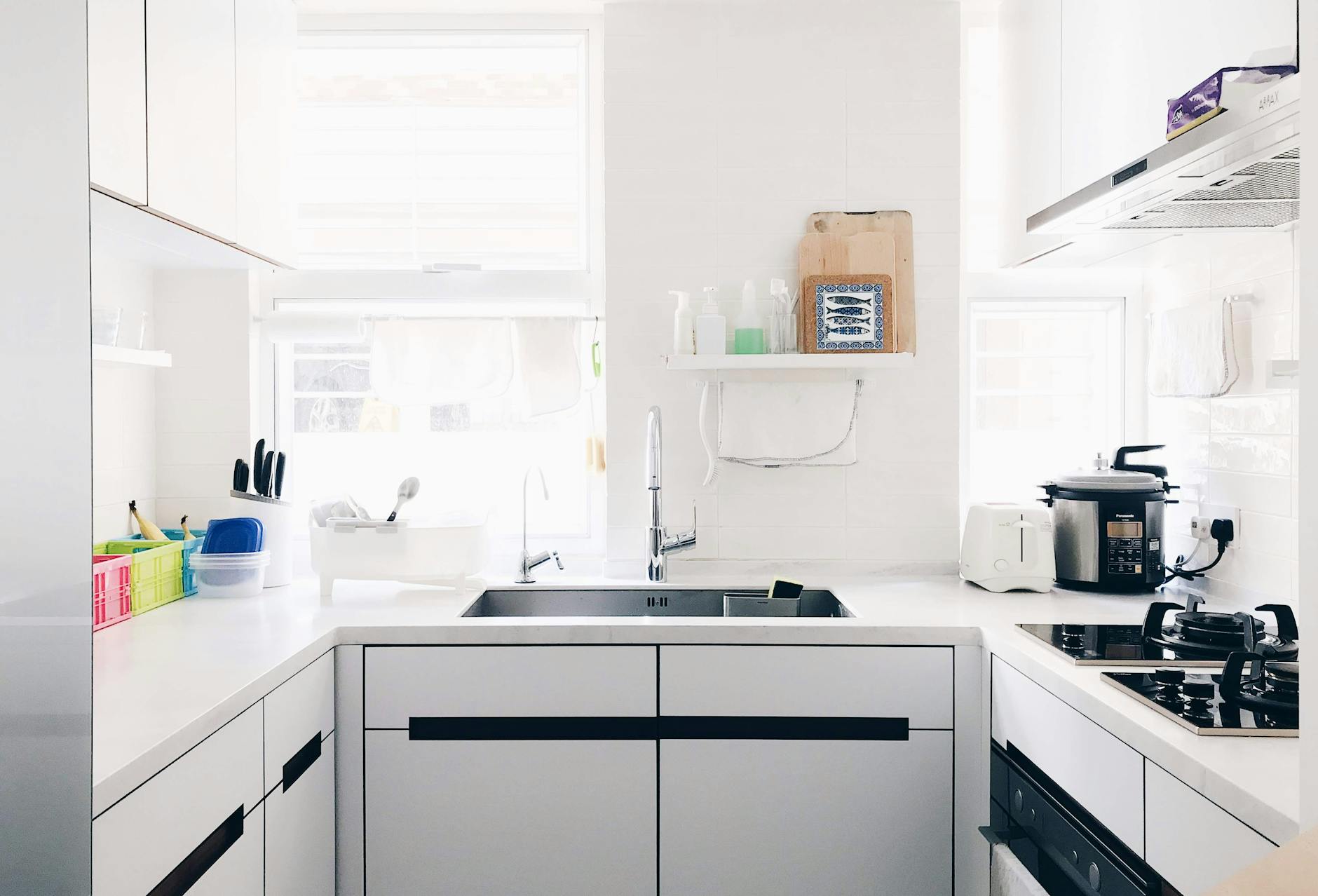
Storage solutions help maintain organization in large open interiors. Built-in shelves can provide storage while contributing to the overall design. Decorative baskets and cabinets reduce visible clutter around seating areas. Organized storage is essential because open layouts expose more areas simultaneously. Clean spaces improve visual comfort and spaciousness.
Creating Functional Zones
Area rugs are useful for separating functional zones without using walls. Different furniture arrangements can also define conversation and dining spaces naturally. Many homeowners use kitchen islands to create subtle transitions between areas. Open layouts should still maintain clear pathways for movement. Functional zoning improves usability and comfort.
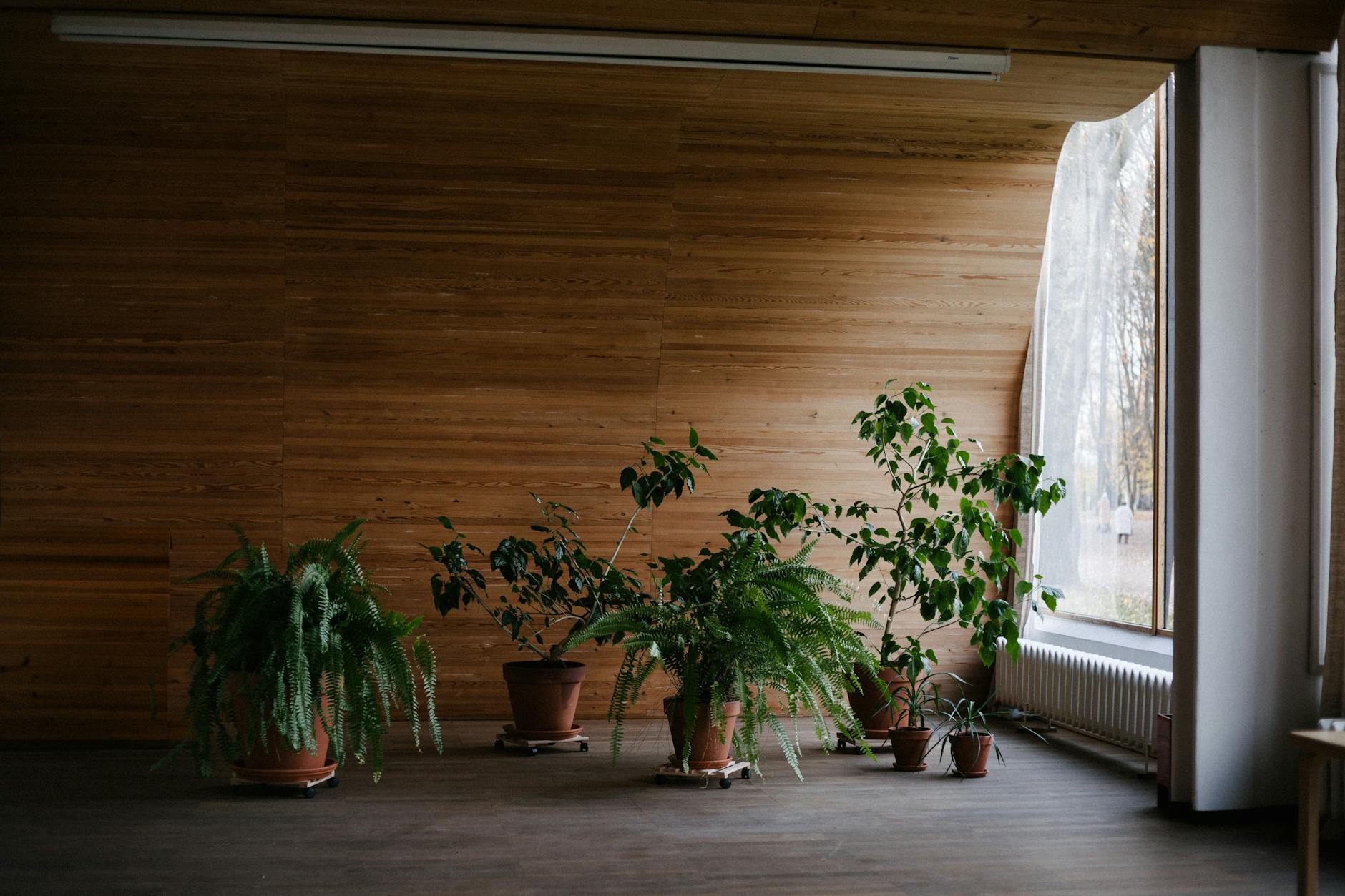
Decorative elements should remain balanced across the entire open space. Too many contrasting styles can disrupt visual harmony between connected rooms. Indoor plants can soften large interiors while adding freshness and texture. Artwork and decorative lighting can create focal points in different sections. Balanced decoration supports cohesive design.
- Use rugs to define spaces.
- Maintain consistent color palettes.
- Create clear movement pathways.
- Use layered lighting systems.
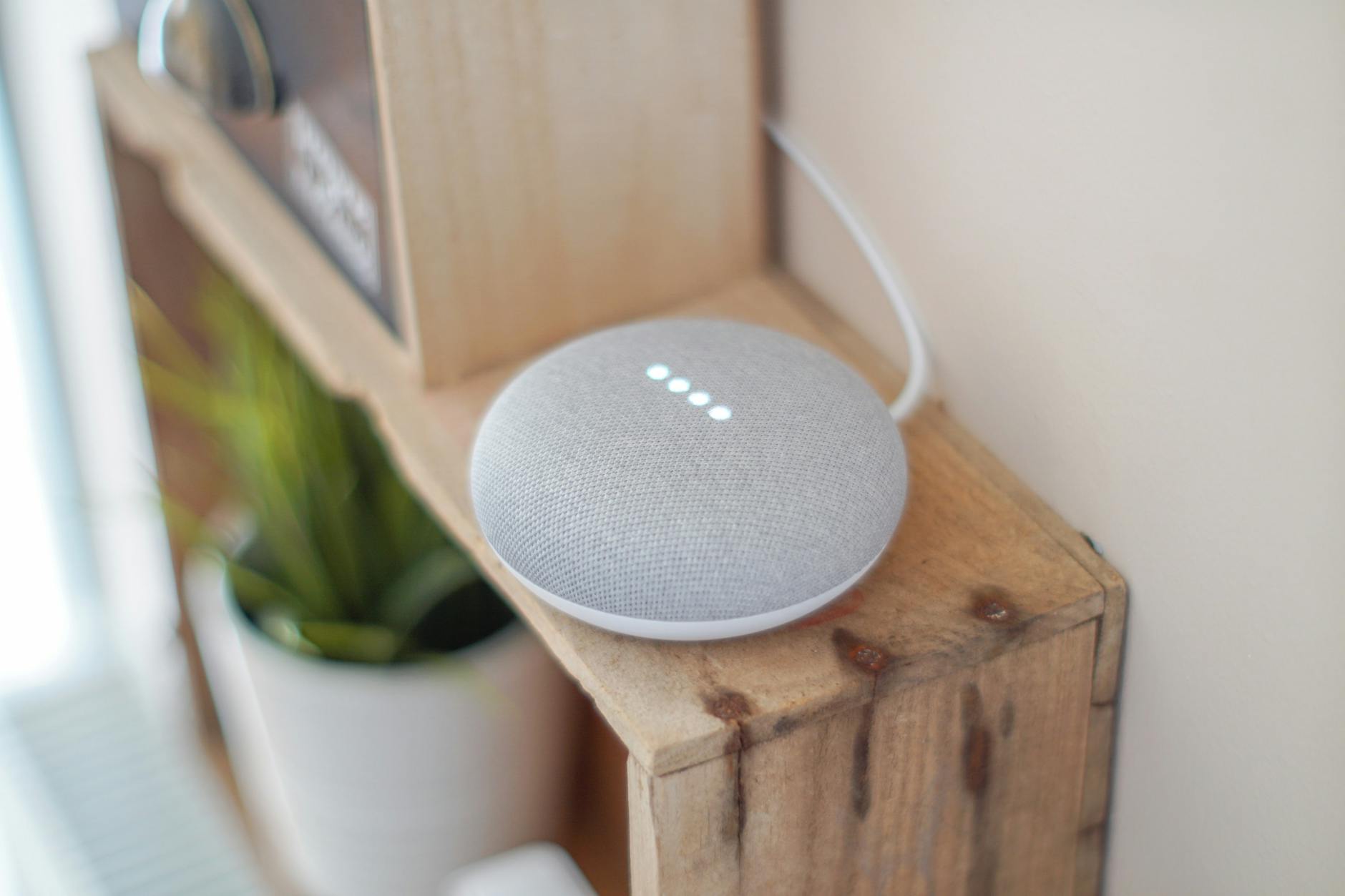
Technology integration should support convenience throughout the open layout. Smart speakers and lighting systems can connect multiple areas seamlessly. Hidden cable management improves aesthetics across larger spaces. Large televisions should be positioned carefully to avoid dominating the room. Technology should enhance daily living without disrupting visual balance.
Open concept living rooms create spacious and highly social home environments. Thoughtful furniture arrangement and consistent design improve harmony between connected spaces. Every decorative element should support comfort and functionality. Open layouts encourage interaction and maximize natural light throughout the home. Modern homeowners continue to appreciate the flexibility and beauty of open concept design.
 Tropical Living Room Interior Design for F...