Minimalist Home Organization for a Stress-Free Lifestyle
 Minimalist Home Organization for a Stress-Free Lifestyle
 Minimalist Home Organization for a Stress-Free Lifestyle - Minimalist home organization focuses on simplicity, functionality, and intentional living. Many people feel overwhelmed by clutter because they own more items than they truly need. A minimalist approach encourages homeowners to keep only belongings that serve practical or emotional value. Removing excess clutter creates a calmer and more peaceful environment. Organized spaces often improve focus, relaxation, and overall well-being.
The first step toward minimalist organization is decluttering each room carefully. Homeowners should evaluate belongings honestly and remove items that are broken, unused, or unnecessary. Donation boxes can help simplify the process while supporting charitable causes. Decluttering gradually prevents feelings of exhaustion or frustration during organization projects. Smaller collections of belongings are easier to maintain over time.
Choosing Functional Furniture
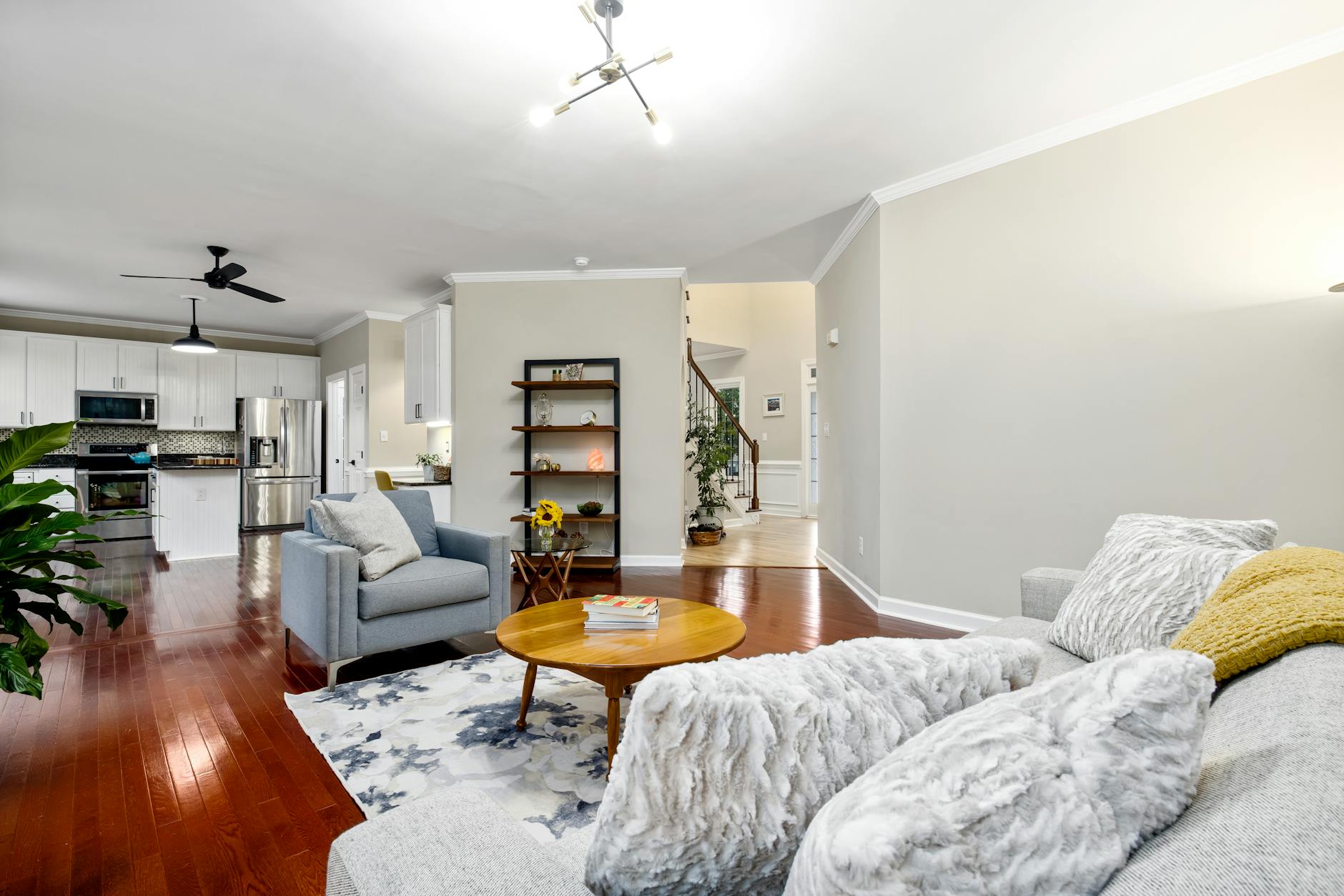
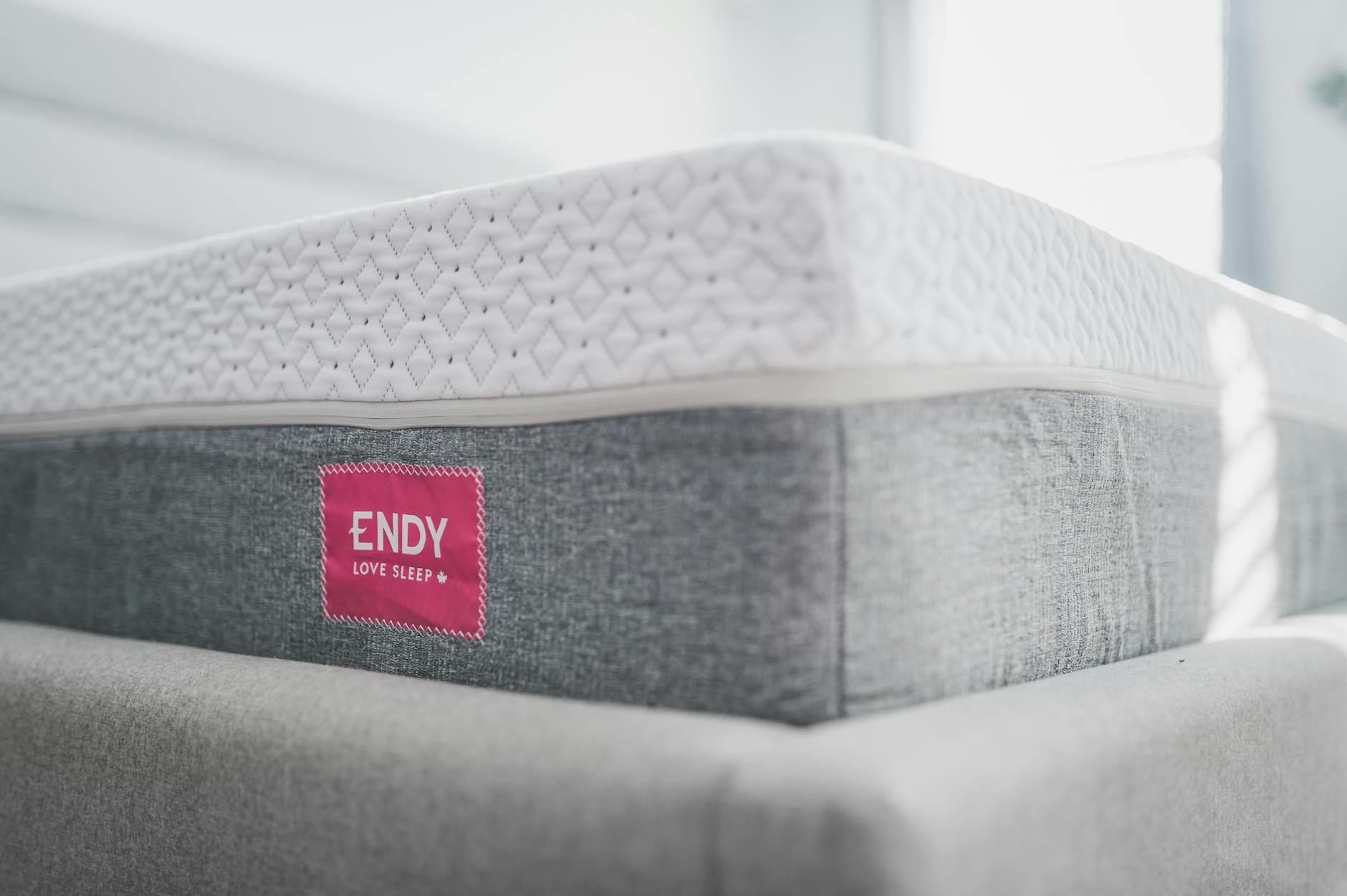
Minimalist homes often feature furniture that combines practicality with simple design. Multifunctional pieces such as storage beds or expandable tables maximize space efficiently. Furniture with clean lines and neutral colors contributes to a calm and uncluttered appearance. Avoiding oversized or decorative-heavy furniture helps maintain openness throughout the home. Thoughtful furniture choices improve both comfort and organization.
Storage solutions should remain simple and consistent throughout minimalist spaces. Matching baskets, boxes, and containers create a cohesive appearance while concealing clutter effectively. Open shelving can work well if items are arranged neatly and intentionally. Hidden storage compartments also help maintain clean surfaces and visual simplicity. Organized storage supports peaceful living environments.
Minimalist organization encourages mindful shopping habits as well. Many households accumulate clutter through impulsive purchases or unnecessary decorations. Before buying new items, homeowners should consider whether the purchase truly adds value to their daily lives. Avoiding excessive shopping helps preserve organized spaces long-term. Intentional consumption supports both financial and emotional well-being.
- Keep only essential items in each room.
- Use neutral storage containers for consistency.
- Avoid overcrowding surfaces with decorations.
Digital organization is also an important aspect of minimalist living. Organizing files, emails, and photographs reduces mental clutter and improves productivity. Cloud storage systems can help reduce physical paperwork and create more efficient workflows. Simple digital routines prevent information overload and improve focus. Minimalism applies to both physical and virtual environments.
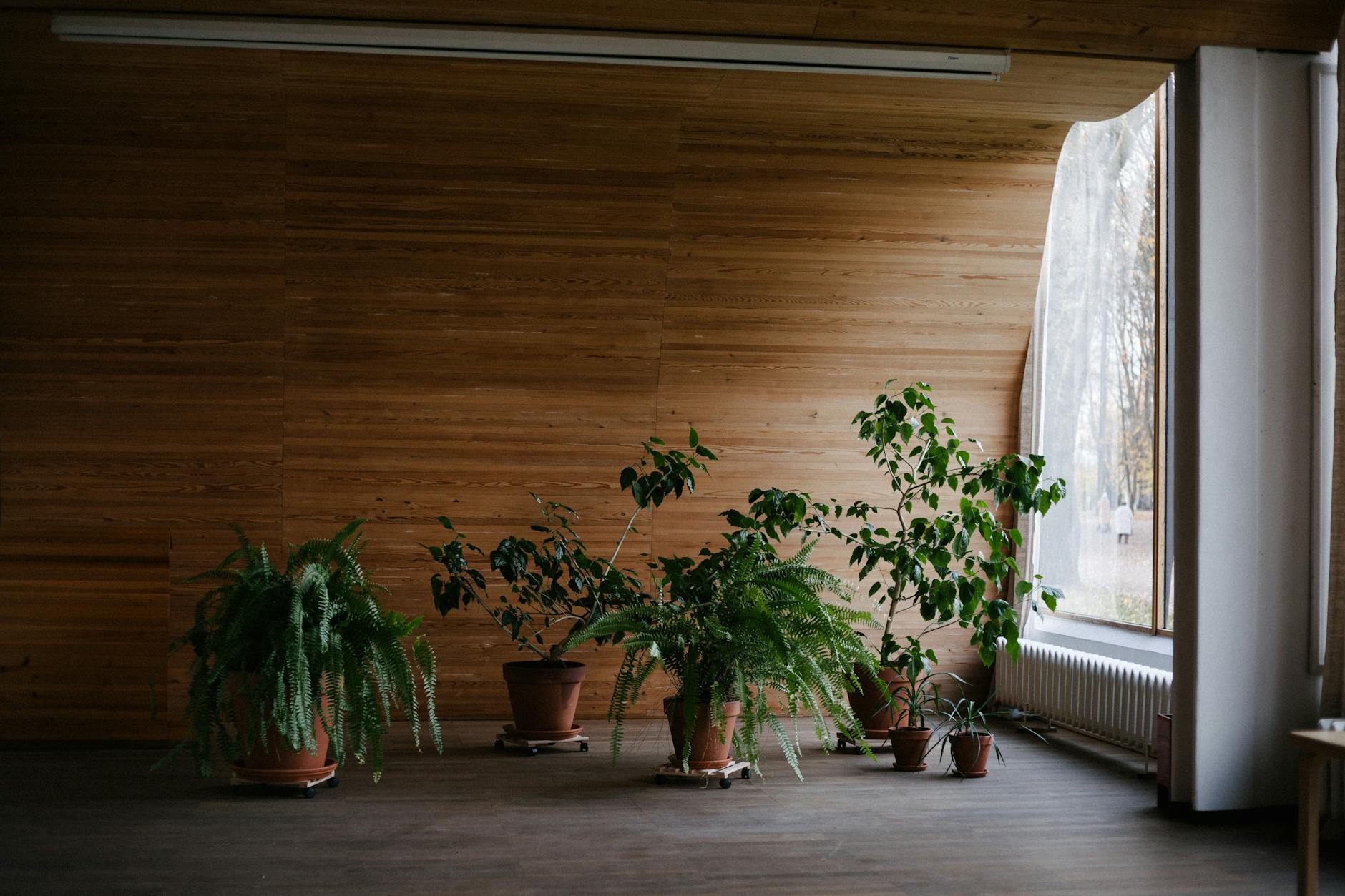
Decorative elements in minimalist homes should remain intentional and meaningful. A few carefully chosen decorations often create a stronger impact than overcrowded displays. Indoor plants, framed artwork, or textured fabrics can add warmth without creating clutter. Balanced design contributes to a peaceful and elegant atmosphere. Simplicity often feels more timeless and sophisticated.
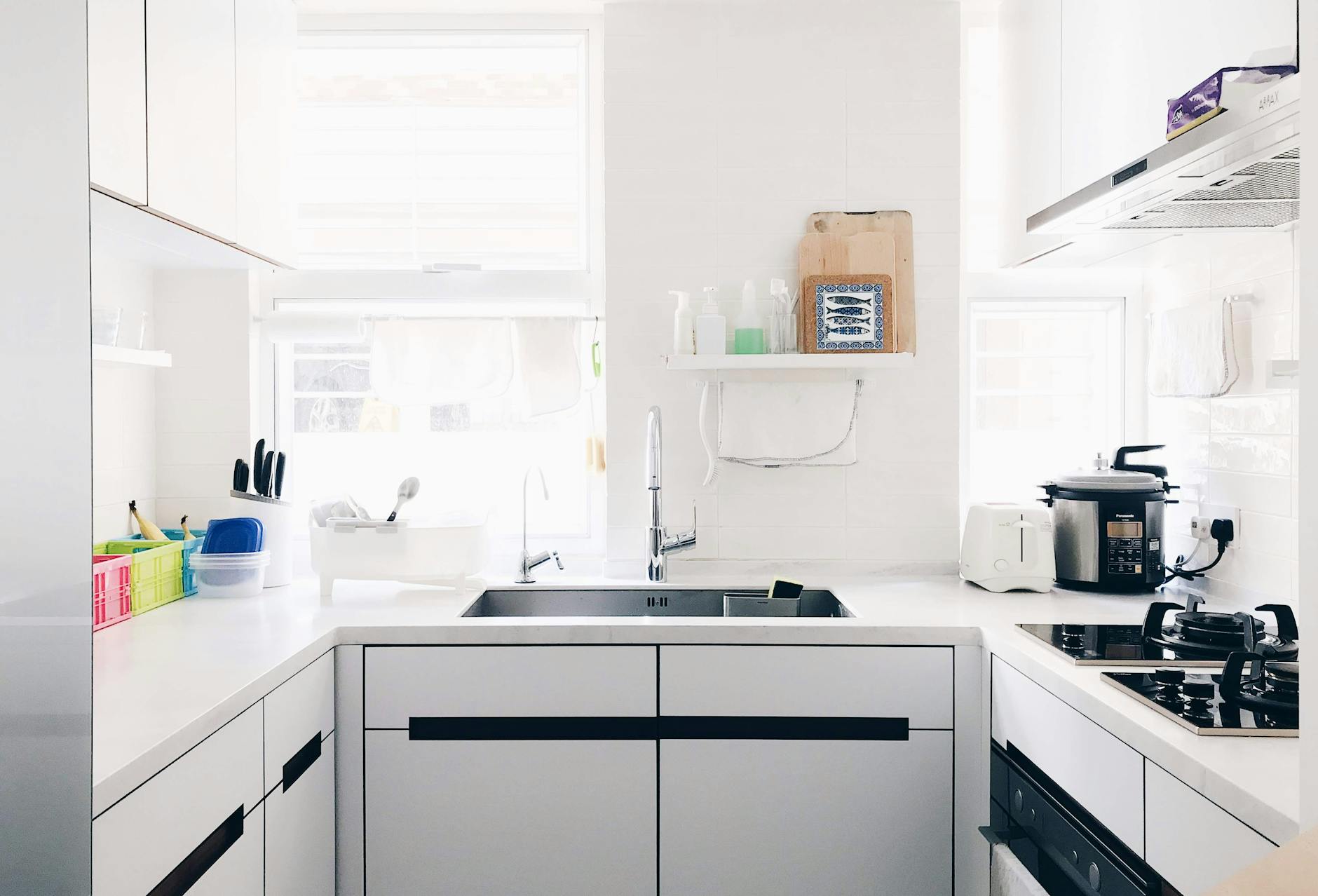
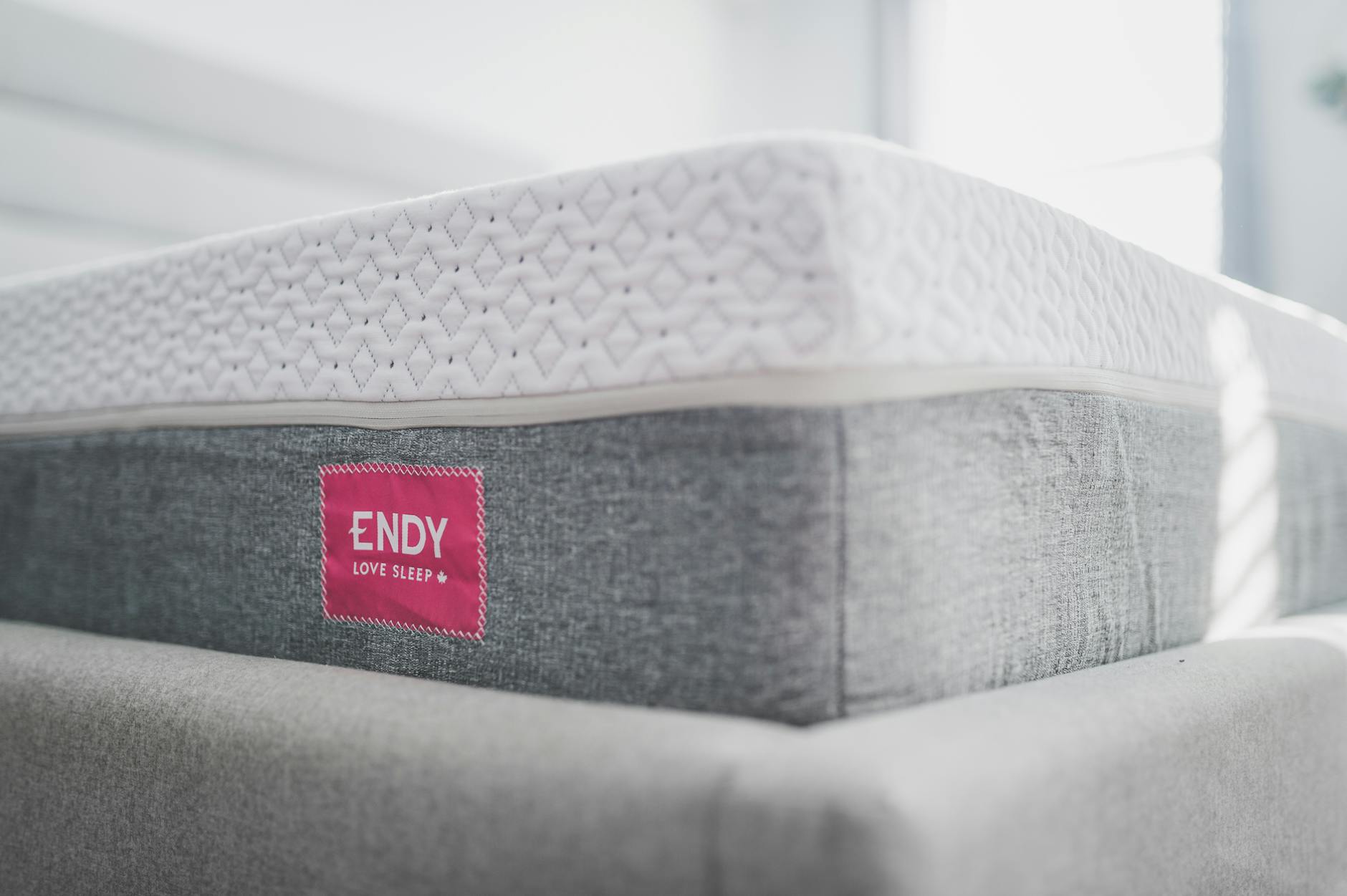
Cleaning becomes much easier in minimalist homes because there are fewer items to manage. Clear floors and uncluttered surfaces simplify dusting and vacuuming routines. Organized environments also reduce the stress associated with constant tidying. Families can spend more time enjoying their homes rather than managing clutter. Minimalism supports a more relaxed lifestyle overall.
Maintaining minimalist organization requires consistent habits and self-awareness. Returning items to their designated places prevents clutter from accumulating gradually. Periodic decluttering sessions help homeowners reassess belongings and preserve simplicity. Families should focus on quality rather than quantity when purchasing new items. Long-term organization depends on intentional daily choices.
In conclusion, minimalist home organization creates calmer, cleaner, and more functional living spaces. Decluttering, mindful shopping, and simple storage systems support stress-free lifestyles. Organized minimalist homes are easier to maintain and more enjoyable to live in daily. Even small steps toward simplicity can improve comfort and peace of mind significantly. A minimalist approach encourages intentional and meaningful living.
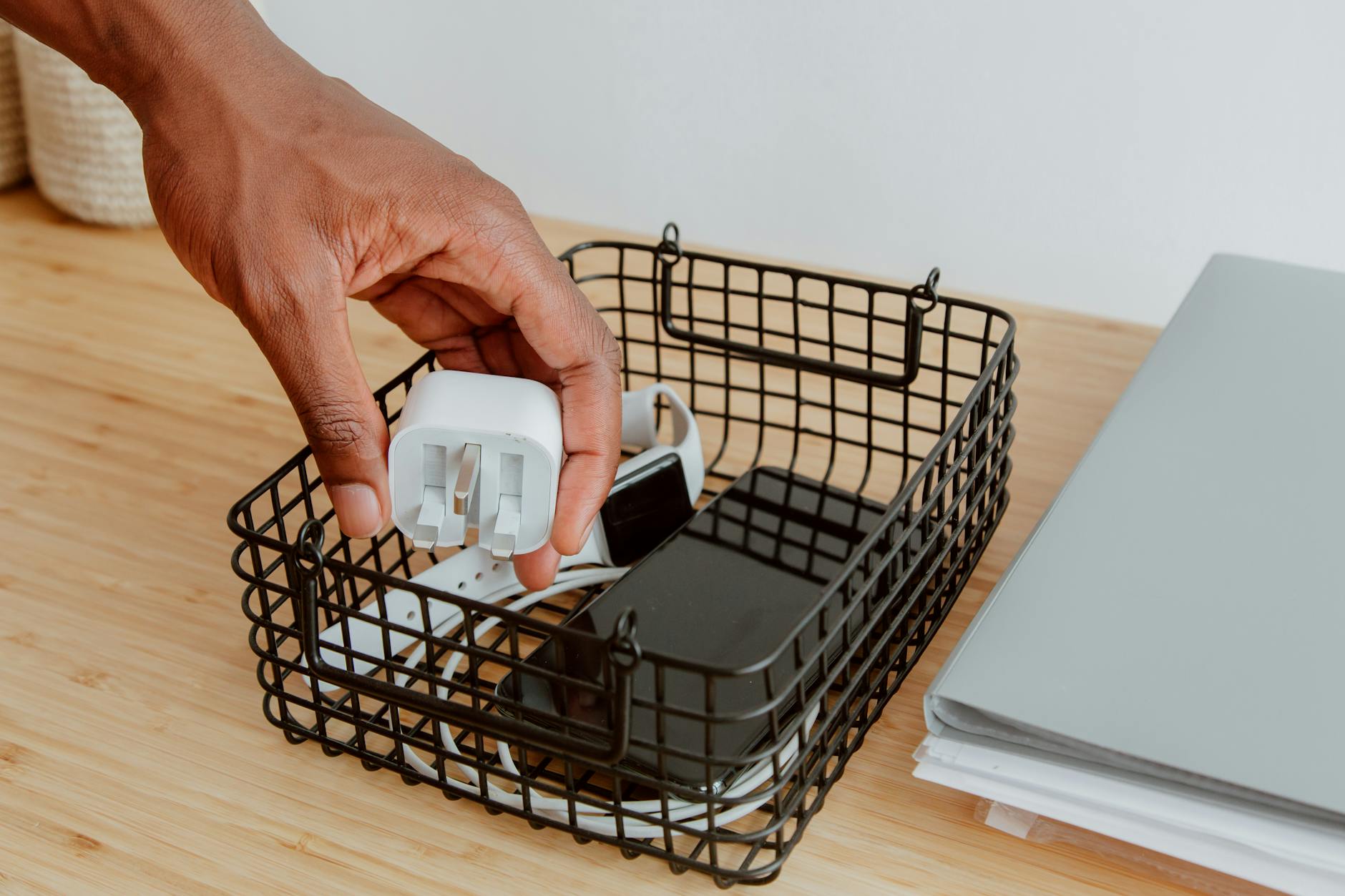 Organizing Digital Devices and Chargers at...
 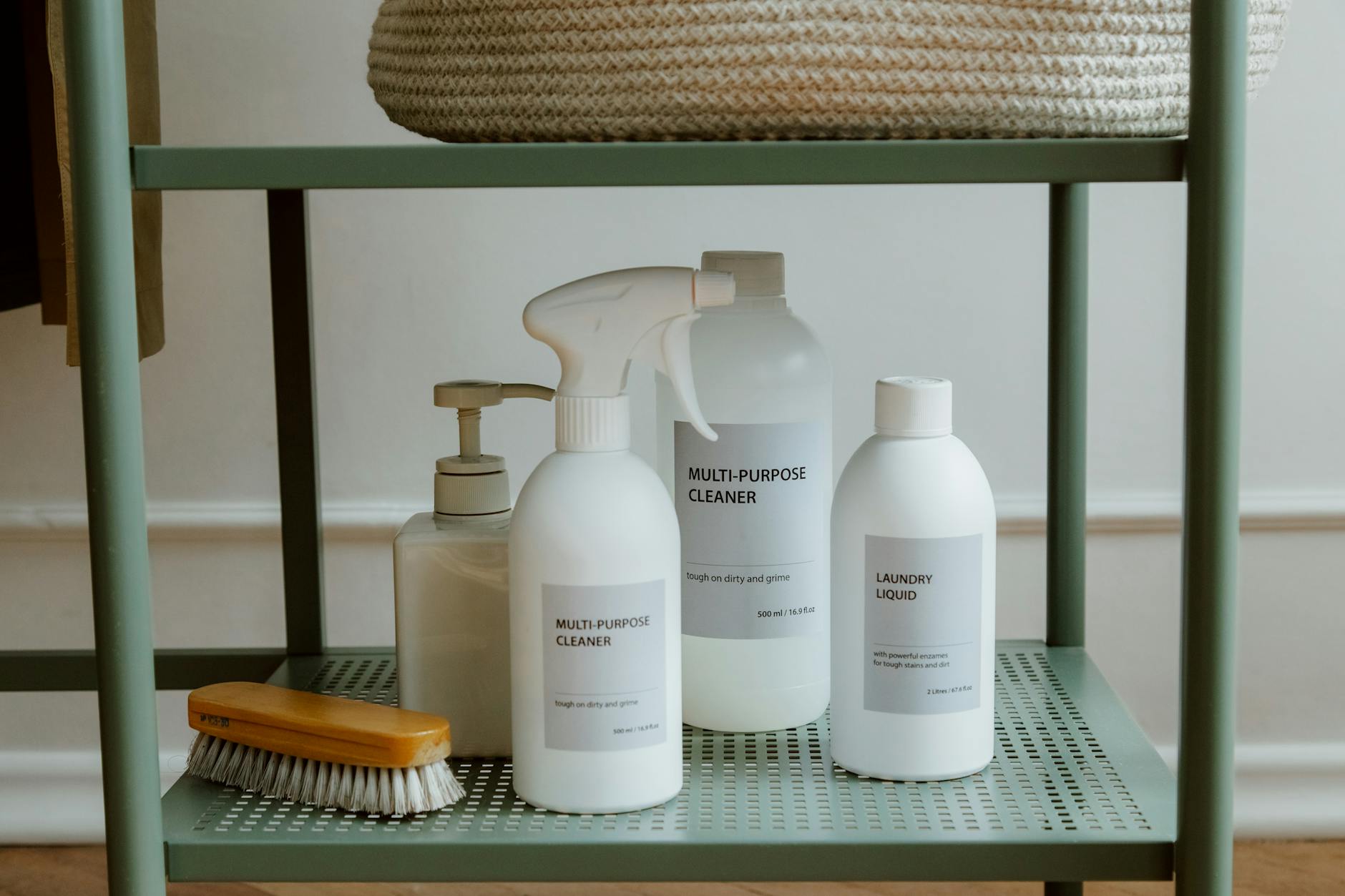 Organizing Pet Supplies for a Cleaner Home