Smart Home Indoor Farming Systems for Sustainable Food Production
 Smart Home Indoor Farming Systems for Sustainable Food Production
 Smart Home Indoor Farming Systems for Sustainable Food Production - Smart indoor farming systems are helping homeowners grow fresh vegetables, herbs, and fruits efficiently within residential environments using connected automation technology. Traditional gardening methods often depend heavily on weather conditions, outdoor space, and manual maintenance routines. Intelligent indoor farming systems provide controlled growing environments with automated lighting, irrigation, and nutrient management. Smart agricultural technology supports healthier lifestyles and more sustainable food production practices. Connected farming ecosystems continue gaining popularity worldwide.
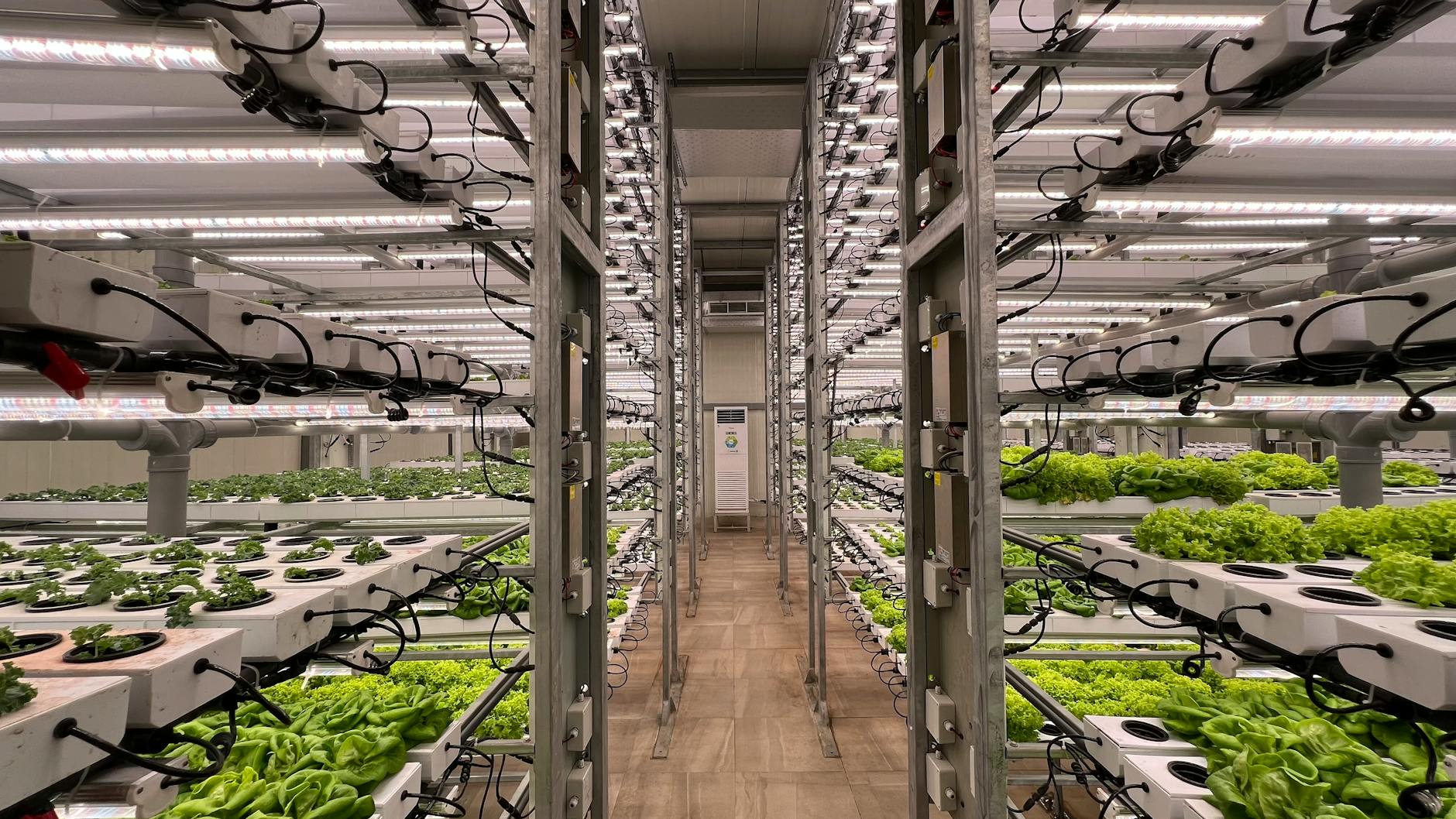
Automated lighting systems are one of the most important components of connected indoor farms. Smart grow lights adjust brightness and operating schedules according to plant growth stages and environmental conditions. Optimized illumination supports healthier crops while reducing unnecessary electricity consumption significantly. Intelligent lighting management improves farming efficiency effectively.
Environmental Monitoring and Automated Irrigation
Connected sensors continuously monitor temperature, humidity, soil moisture, and nutrient levels throughout indoor growing environments. Smart irrigation systems automatically deliver water and nutrients according to plant requirements and environmental conditions. Adaptive management reduces waste while supporting stronger and more consistent crop growth. Intelligent monitoring enhances agricultural productivity considerably.
Remote management capabilities provide homeowners with greater flexibility and operational oversight. Mobile applications allow users to supervise crop conditions, adjust lighting schedules, and receive maintenance notifications from virtually anywhere. Better monitoring improves farming consistency while simplifying daily plant care routines. Connected oversight strengthens residential food production effectively.
Features of Smart Indoor Farming Systems
- Automated grow lighting and environmental management.
- Connected irrigation and nutrient delivery systems.
- Real-time crop monitoring and analytics.
- Remote farming management through mobile applications.
Hydroponic and vertical farming technologies are becoming increasingly common within intelligent residential agriculture systems. These methods maximize crop production while minimizing space and water requirements. Compact farming solutions allow homeowners to grow food efficiently even in urban apartments and smaller homes. Smart farming technology supports more accessible and sustainable food cultivation significantly.
Integration with broader smart home ecosystems further improves sustainability and automation possibilities. Indoor farms can coordinate with energy management systems, renewable power sources, and climate controls automatically. Coordinated ecosystems optimize resource usage while supporting efficient household operation. Intelligent integration enhances sustainability considerably.
Health-focused living is another important advantage of connected indoor farming systems. Homegrown produce reduces dependency on processed foods and improves access to fresh ingredients throughout the year. Smart cultivation technology encourages healthier eating habits and stronger awareness about food production practices effectively.
Future indoor farming technologies may include advanced artificial intelligence capable of predicting crop health, optimizing growth conditions, and automating harvesting processes. Robotic farming assistants and autonomous nutrient management systems may also become increasingly sophisticated. Innovation in connected agricultural technology continues accelerating rapidly. Intelligent indoor farms will likely become increasingly productive and self-managing over time.
Smart home indoor farming systems provide valuable advantages for sustainability, food quality, and residential self-sufficiency. They combine connected monitoring, adaptive automation, and efficient cultivation methods into practical household solutions. Homeowners benefit from healthier produce and more environmentally responsible living practices. As connected ecosystems continue evolving, intelligent farming technology will become increasingly widespread. Smart agriculture systems are reshaping modern residential food production experiences.
 Smart Kitchen Appliances for Efficient Coo...
  Smart Home Digital Assistants for Daily Ho...
  Smart Home Cleaning Robots for Automated M...